Electric vehicles
Electric vehicles, charging and batteries, on request.
Industrial Supplier sources electric vehicles, charging equipment and battery packs for qualified buyers. What follows is a sourcing guide, not a firm offer. Availability is on request and subject to verification.
What we source
Vehicles, charging and storage.
Tell us the destination market, the vehicle class or equipment type, and the quantity. We come back with availability and terms only after we have reviewed the inquiry.
Passenger electric vehicles
Passenger battery-electric vehicles are sourced for fleet and wholesale buyers, not as a retail showroom. Configuration, lighting, charging inlet and documentation have to match the country where the vehicles will be registered. We do not list models or claim a particular range, battery size or performance figure here; those details belong in a written quotation once the destination and use are known.
Electric buses and trucks
City and coach buses, and medium or heavy trucks, are typically bought as a programme rather than a single unit.
Body type, axle layout, charging method (depot AC, depot DC, or opportunity charging) and expected daily duty all affect whether a given vehicle can be offered for a route or haul. Spare parts and workshop documentation should be agreed at the same time as the vehicles.
Light electric vehicles and two- and three-wheelers
Light electric vehicles, including two- and three-wheelers, are often used in last-mile delivery, campuses and shared fleets. Classification and registration rules differ widely by country, so the same vehicle may be treated as a moped, motorcycle or light quad in one market and something else in another. Include that in the inquiry, together with the intended use.
Charging equipment
We source both alternating-current and direct-current charging equipment. Connector and communication standards must be stated up front, because they are not interchangeable worldwide.
- Type 2 is the usual AC inlet in Europe.
- Combined Charging System (CCS) Combo 2 is the usual DC standard there; CCS Combo 1 is used in North America.
- CHAdeMO remains in use on some fleets.
- GB/T covers both AC and DC charging in China.
- NACS (now also described as SAE J3400) is used in North America.
A quotation should name the standard, the power class, and whether the equipment is for a depot, a public site or an onboard or portable use.
Battery packs and storage
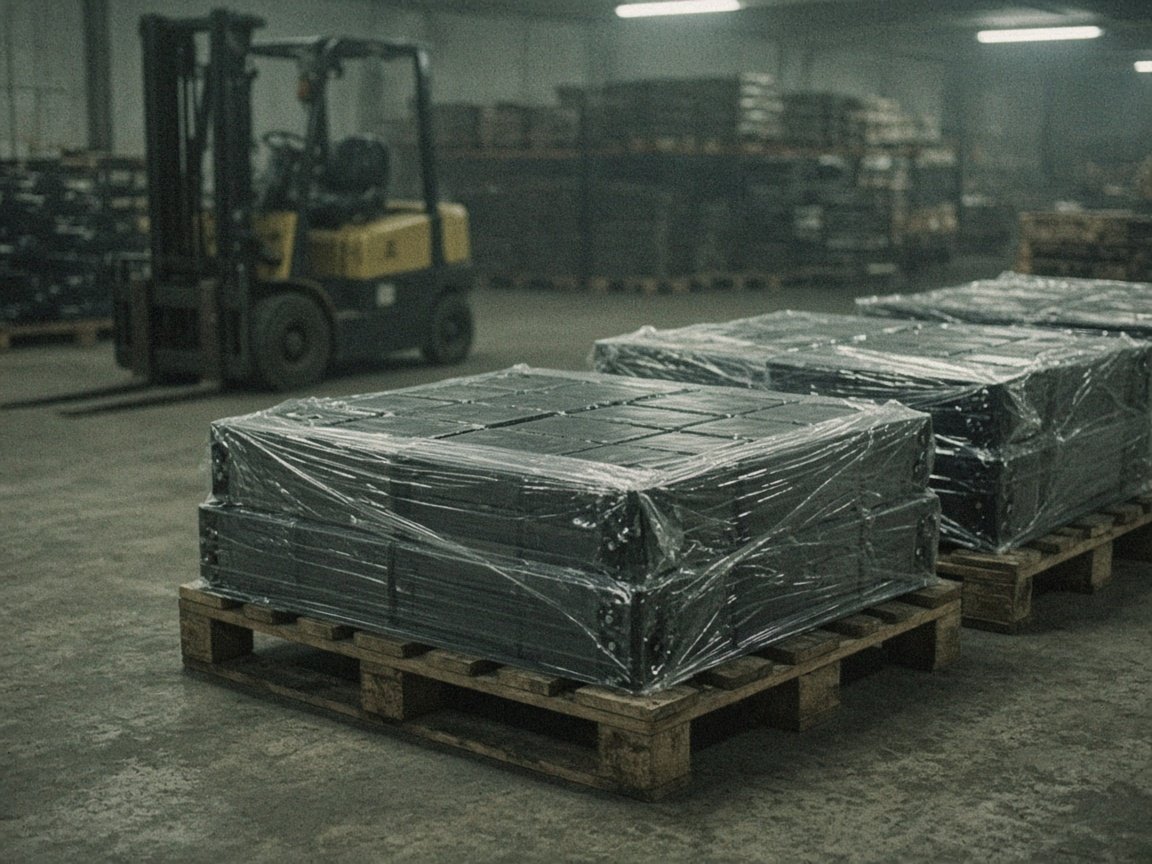
Battery packs, modules and stationary storage are sourced for vehicle, industrial and energy uses. Chemistry, form factor, voltage class, thermal management and the intended installation all have to be specified by the buyer. Packs shipped on their own are not the same cargo as batteries already installed in a vehicle, and the transport rules differ, as set out below.
Buying considerations
What to settle before a quotation.
Homologation and regional standards
A vehicle can only be registered and used if it meets the rules of the destination market.
In the European Union that generally means type approval under the EU framework, including relevant UNECE regulations where they apply. In the United States, Federal Motor Vehicle Safety Standards (FMVSS) apply, and other rules on emissions, lighting and labelling may apply as well. Other regions have their own approval paths.
Buyers should name the destination country early so that documentation, configuration and any missing approvals can be checked before anyone talks about a shipment.
Shipping: roll-on/roll-off or container
Complete vehicles are often moved by roll-on/roll-off (RoRo) ships, driven or towed onto a dedicated vehicle carrier. Container shipment is commonly used for smaller vehicles, knocked-down units, spare parts and charging equipment.
The better method depends on volume, port capability, and whether the cargo is a complete vehicle or packed equipment. We will say which method we can support once the cargo is defined.
Dangerous goods rules for lithium batteries
Lithium-ion batteries are regulated in transport. Batteries shipped on their own are typically classified as UN3480. Battery-powered vehicles are typically classified as UN3171.
Sea shipments follow the IMDG Code, including packing, marking, documentation and stowage. The state of charge, the packaging, and whether the battery is installed in a vehicle all affect how the cargo can move. We only proceed on terms that match the applicable transport rules.
Warranty and spare parts
A useful offer states the warranty period and what it covers, what it excludes, and how a claim is handled in the destination country. It should also be clear which spare parts and service documents are included or available, and for how long parts will be supplied after delivery.
Charging inlets and communication protocols should be confirmed against the local charging network, so that vehicles and chargers are not left incompatible.
Sanctions and export compliance
All trades comply with applicable sanctions and export laws. No sanctioned-origin product is offered. End-use and destination may be checked before a quotation is issued.
Listings and replies are available on request and subject to verification. They are not a firm offer.
Inquiry
Request a quotation
Tell us the product type, quantity, Incoterm and destination port. We will reply with availability and terms, subject to verification.
Need a quotation for electric vehicles, charging or batteries?
Send the inquiry and we will reply with availability and terms.